
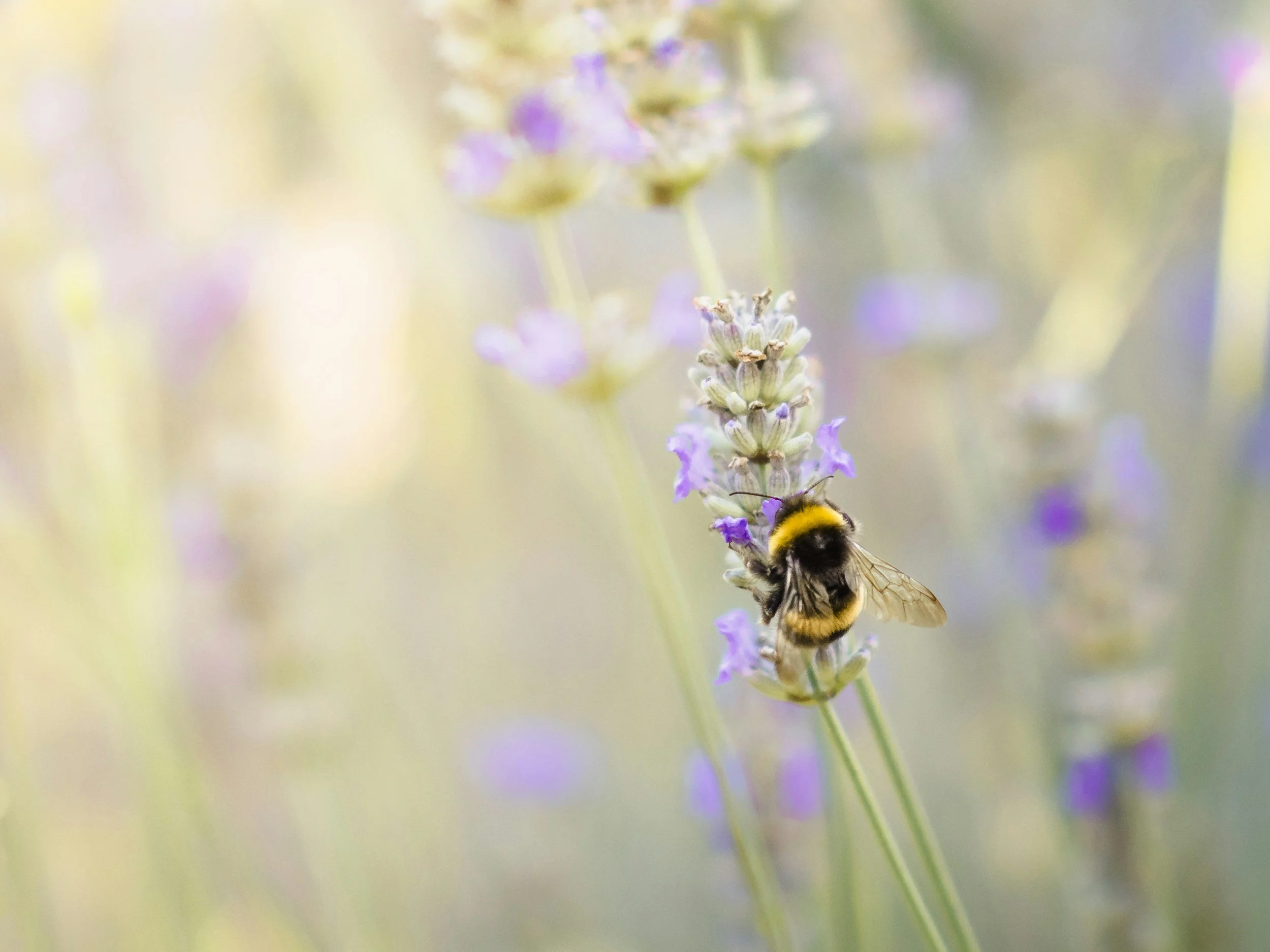
Restoring native pollinator habitats one neighborhood at a time.
This is our “Think Global Act Local” mantra.
Our Goals
Improving native ecology education.
Education
-
Introducing younger members of the community to native plants local to their area.
The goal is to create a lasting impression on young minds, instilling a deep and emotional connection to the land on which they reside.
Focusing on early education ensures that future generations will be equipped with the tools and experience they need to influence others and policy.
-
We approach education through visual and tactile experiences. When a solution is tangible and easy to understand, people are motivated to take action.
-
Helping bees helps other pollinators, species, and ecosystems.
We encourage people to think systematically to see how things connect and impact one another.
Community
Indigenous land and collective stewardship.
-
The indigenous people such as the Tongva in California's San Gabriel Valley, the Kumeyaay where California meets Mexico, or the Suquamish in the area now known as Seattle, are the original stewards of the land.
We have the responsibility to address the violent colonial history and work to hear and amplify their voices.
-
The responsibility to care and for the land and environment falls on everyone and even small efforts enacted by many people can have significant positive effect.
-
Ethnobotany is the study of how humans have used, processed, managed, and perceived plants throughout history.
The demands of modern society have resulted in its members being more removed from nature than ever before. We believe that if people were aware about the ethnobotanical uses of native plants within their immediate vicinity, they would feel a deeper connection.
In future efforts, SuperBloom Initiative aims to provide and guide people to resources in an effort to ensure responsible and non-exploitative practices.
Cultivation
Increase native pollinator habitats in urban areas.

-
Whether it is an empty lot, street medium, rooftop garden, or city park, anything can be a pollinator corridor once native plants are reintroduced.
Native pollinators will come to where there are native plants.
-
Grass lawns are archaic status symbols of 17th century Europe that serve no purpose other than to flaunt one's wealth by showing others that you're too wealthy to need to grow food.
Grass lawns are high-maintenance, need excessive water, have high demand for fertilizers, and do not support local wildlife.
With the current society trending towards sustainability, self-reliance, and supporting local communities, there is a push for grass lawns to be made obsolete.
In addition to growing one’s own food, planting natives will attract more pollinators to help sustain those food gardens.
-
Once a native garden is started, people can harvest their own seeds to start the cycle again for the next season.
Seeds can be shared and exchanged with other members in the community, spreading native pollinator habitats.
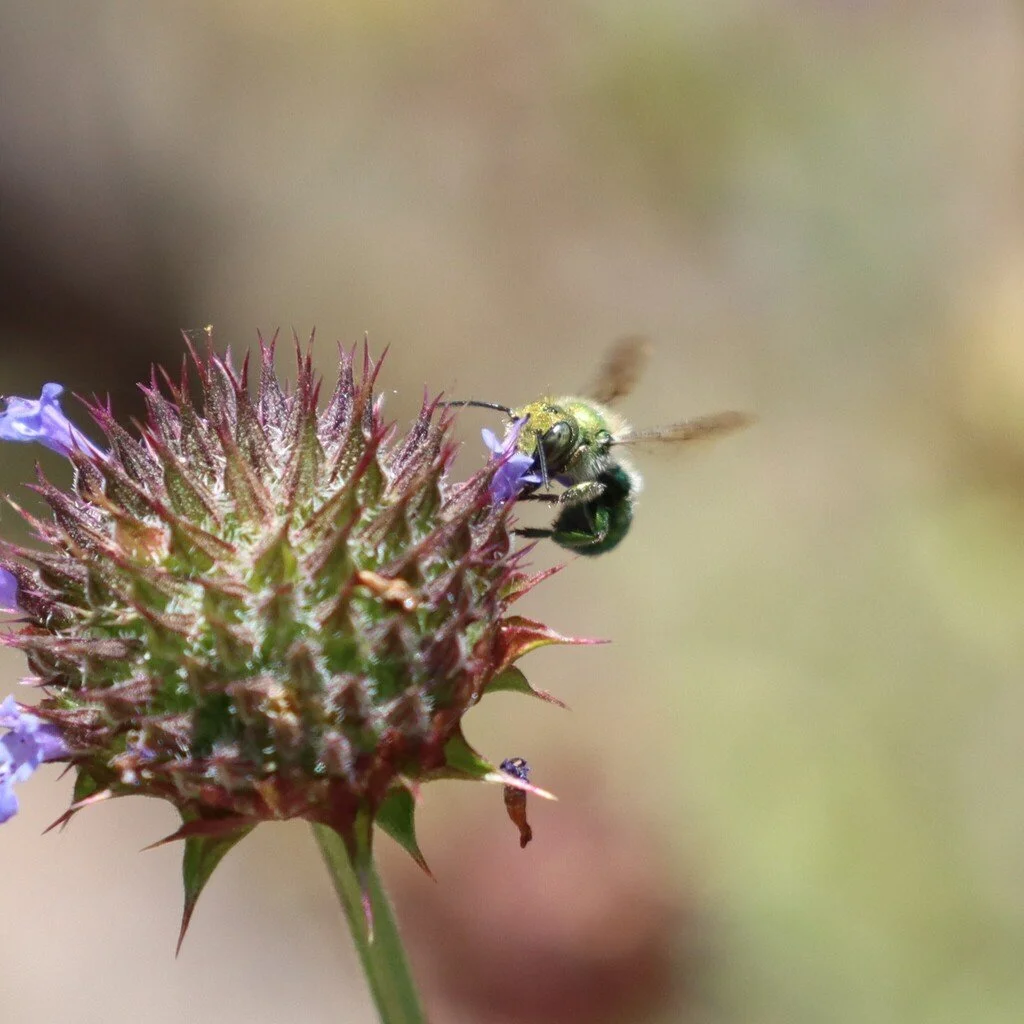
Photo Credit: carrotpeople
Everything is connected.
Why should people care about native plants and pollinators?
-
Native pollinators play a vital role in sustaining natural ecosystems by transferring pollen between flowers of native plants, which enable those plants to produce seeds and fruit. This, in turn, provides food and habitat for countless other organisms, from insects and birds to mammals. When native pollinators thrive, the entire ecosystem benefits through increased diversity, stability, and productivity.
-
Native pollinators have co-evolved with local plants over thousands of years. This close relationship means they’re highly effective at transferring pollen between native species, ensuring plant reproduction and genetic diversity. Healthy plant communities stabilize soils, filter water, and regulate local climates — all critical functions for ecosystem stability.
-
Many of the foods humans rely on, such as like apples, blueberries, squash, almonds, and tomatoes, depend on animal pollination. Native pollinators often complement or even outperform managed honeybees because they are better adapted to local conditions and specific crops. For instance, bumblebees can pollinate certain flowers that honeybees cannot due to their ability to “buzz pollinate.” Supporting native pollinators thus directly enhances crop yield, quality, and food security.
What causes native pollinator decline?
A multitude of interconnecting factors
Habitat Loss and Fragmentation
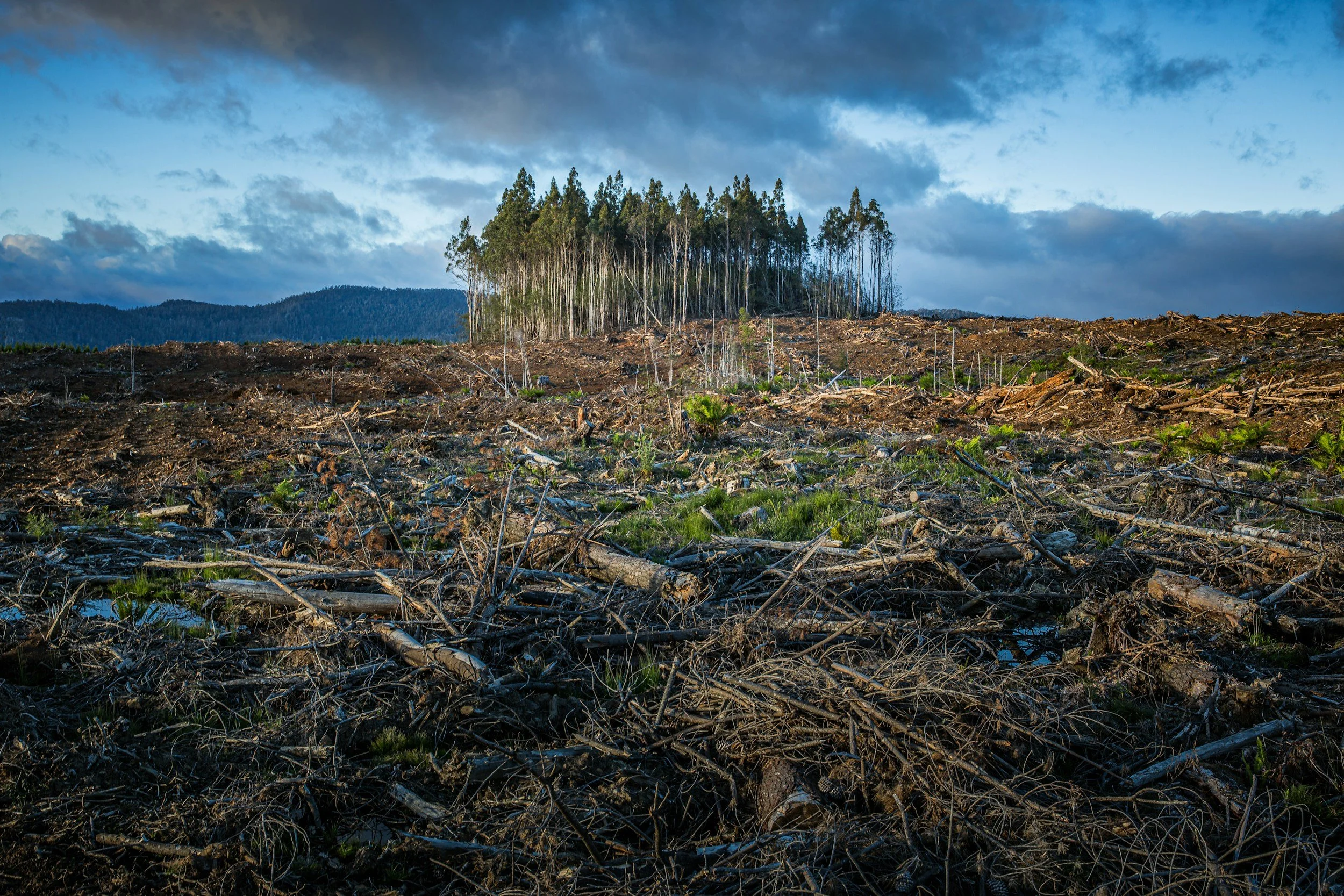
Irresponsible urbanization, agriculture, and infrastructure decimate the natural areas pollinators rely on for food and nesting.
Fragmented habitats also make it harder for pollinators to travel safely between feeding and nesting areas, leading to isolated populations and decreased genetic diversity.
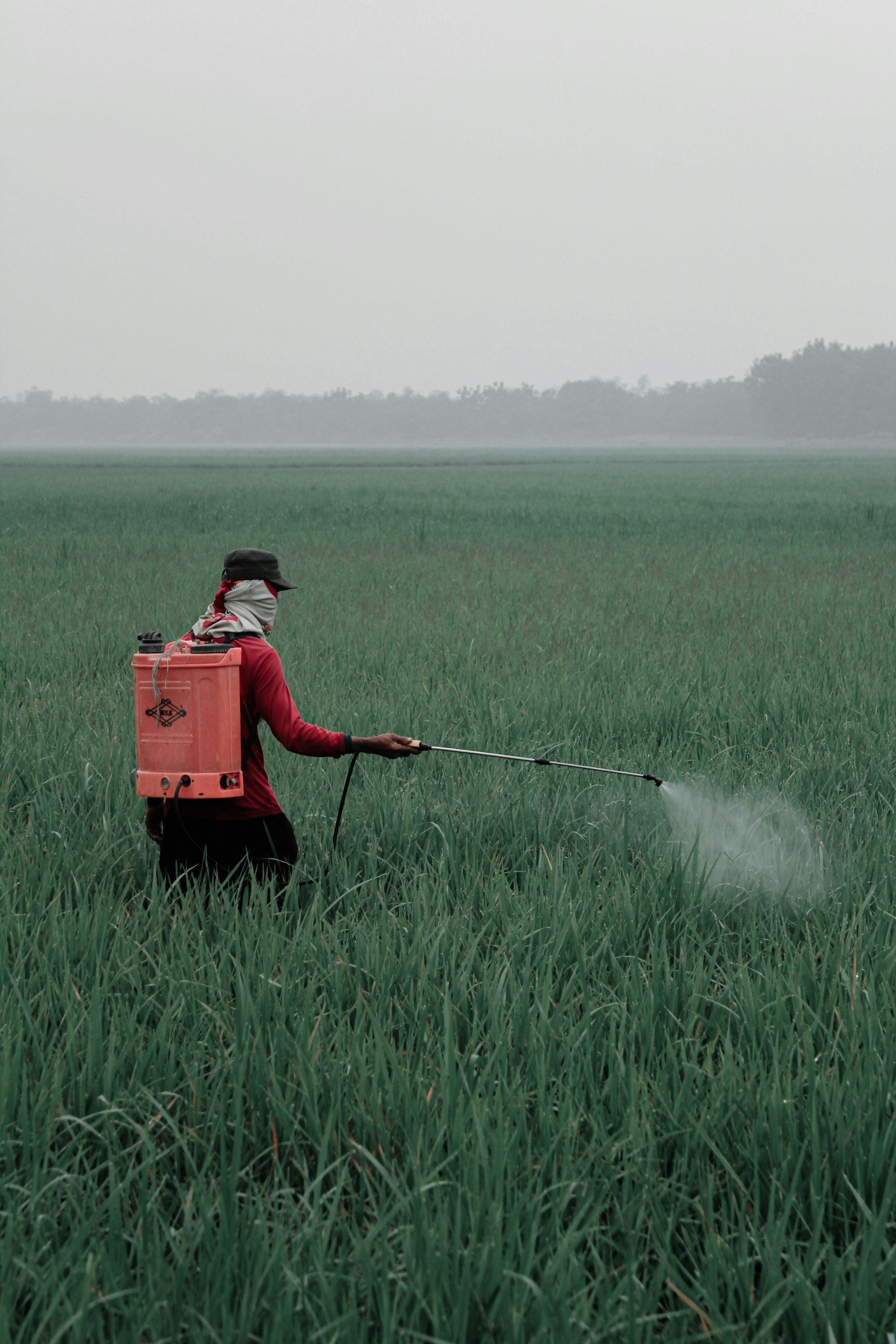
Pesticides and Chemicals
Indiscriminate and broad use of insecticides, herbicides, and fungicides can directly harm pollinators or indirectly reduce the flowering plants they depend on.
Neonicotinoids are a class of insecticides that act on the nervous systems of insects, leading to paralysis and death. Widely used in large-scale agriculture, these chemicals can be absorbed by plants and subsequently appear in their pollen and nectar, exposing pollinators to harmful residues.
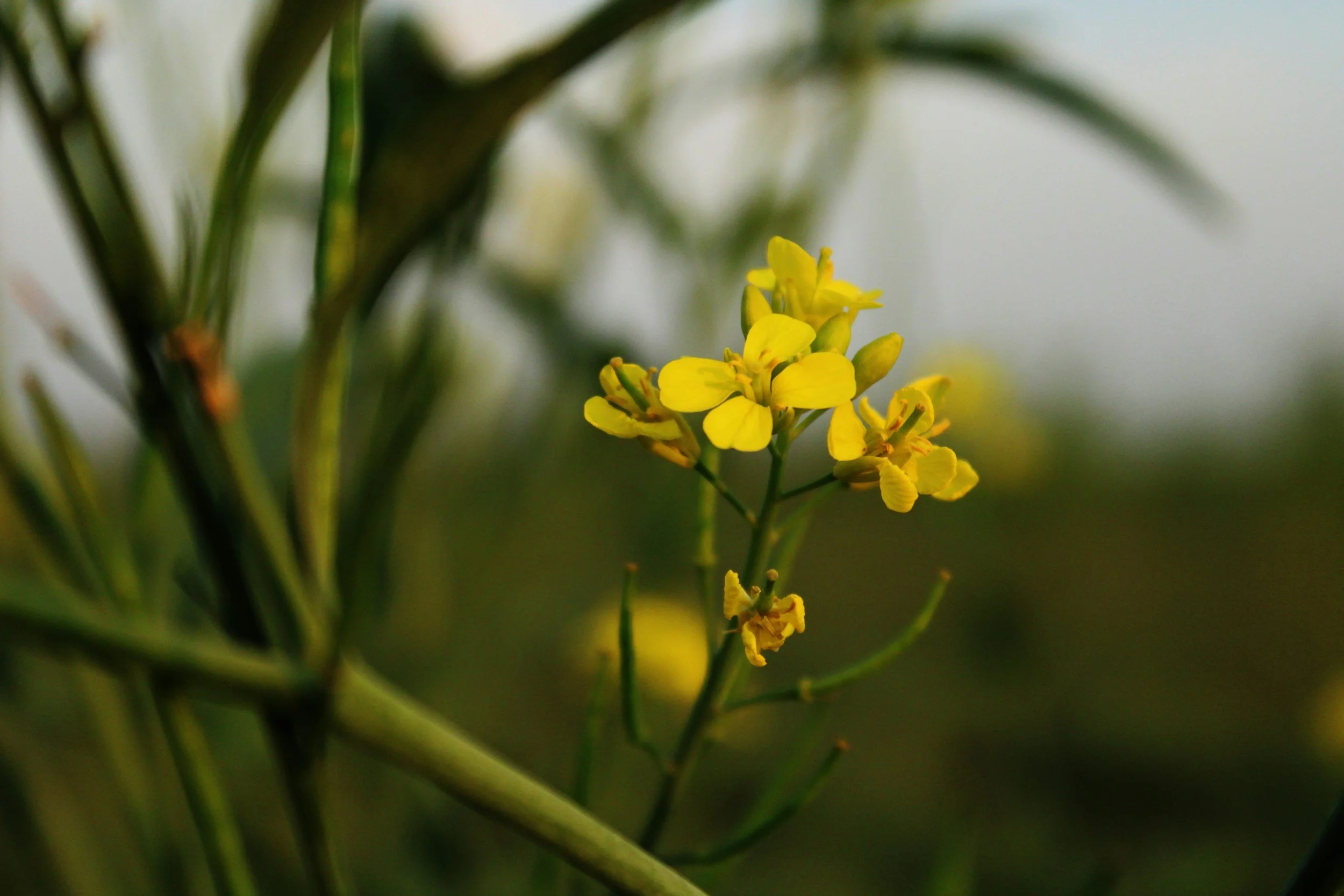
Invasive Species and Disease
Non-native plants, insects, and pathogens compete with or infect native pollinators, weakening populations and disrupting ecological balance.
Invasive plants may dominate landscapes but provide poor-quality nectar or pollen, while diseases and parasites spread by commercial bees can devastate wild bee populations.
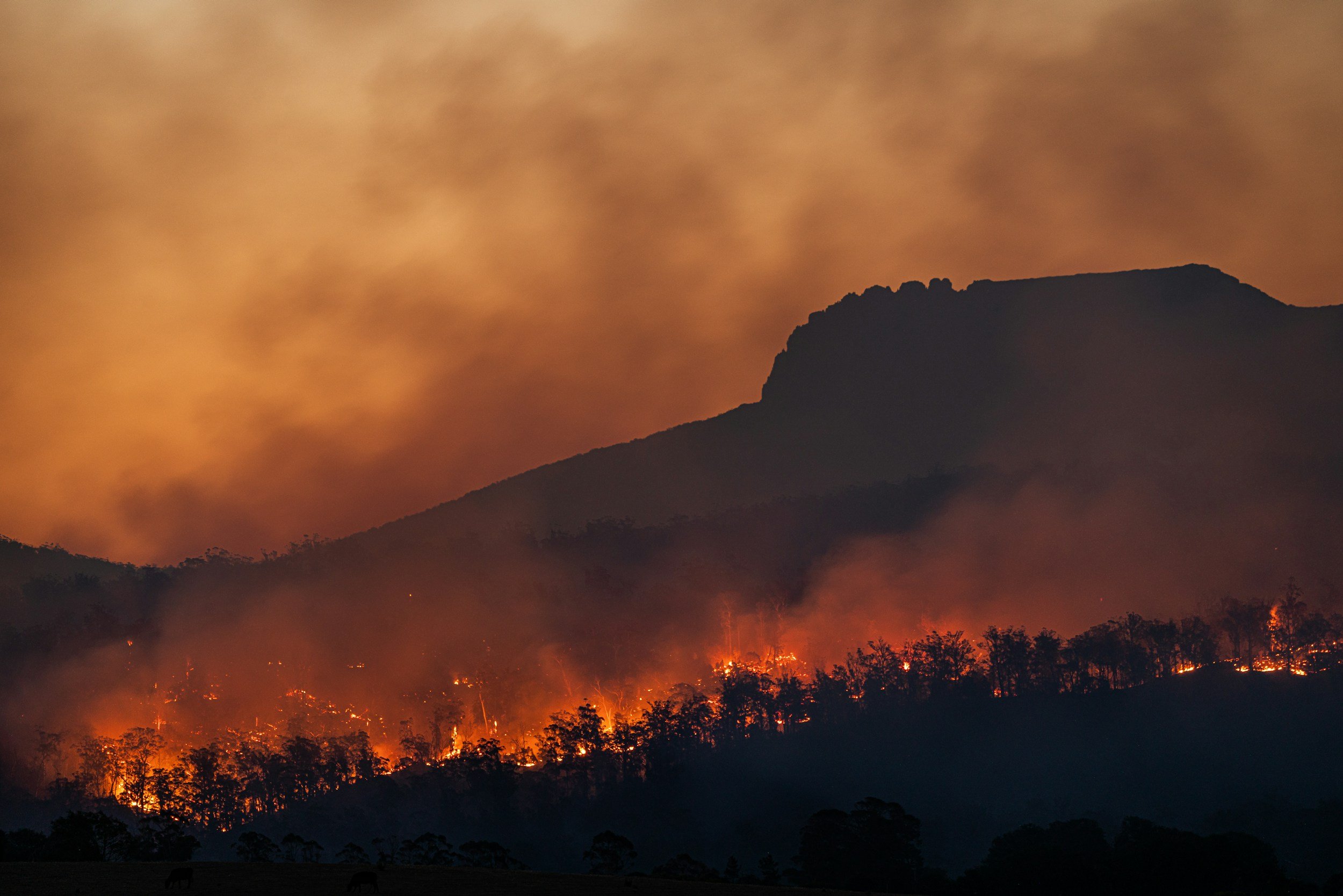
Climate Change
A not-so-surprising byproduct of the contributing factors:
Altered temperatures, rainfall patterns, and seasonal shifts disrupt the timing of flowering plants and pollinator activity, reducing food availability.

What can I do?
It starts with a single seed.
Scientists conduct research, lawyers advocate policy, and communicators engage the masses.
You can contribute by planting natives and influence the people within your immediate community. No matter the scale, your individual impact matters.