
Native Plant Guide
The following on this page lists recommended seeds that the BloomBox can host. We are growing and updating this library as information becomes available, so look out for updates in the future!
Follow us on Instagram @superbloom.initiative
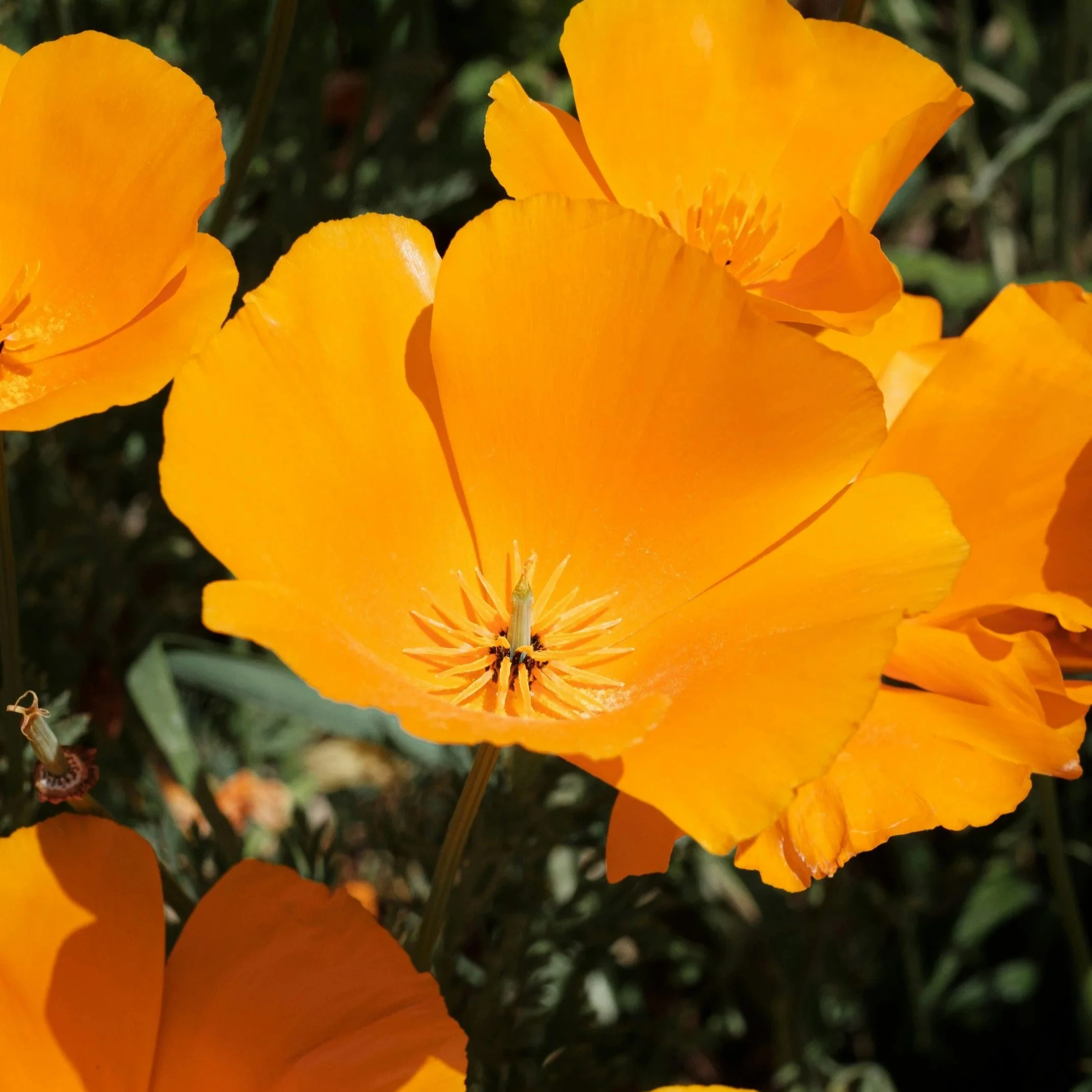
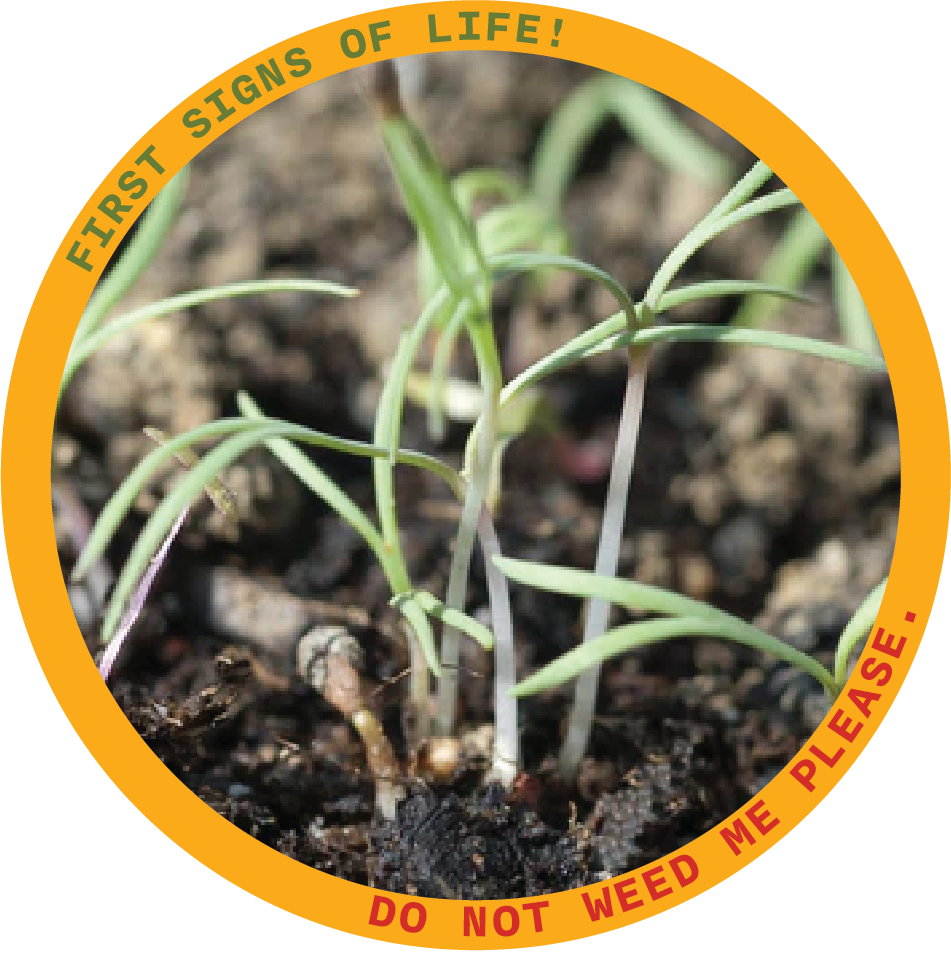
California Poppy
Eschscholzia californica
Very Easy
Annual to Perennial
-
Iconic large orange discs open on the ends of stems up to 1 foot tall, emerging from clusters of blue-green frilly leaves at the plant’s base. Incredible pollinator magnets (especially fairy bees) and reliably re-seeds in most gardens. Individual flowers are short-lived but the plants bloom for most of the year.
-
Surface scatter or lightly bury in almost any soil from slow to fast-draining (avoid sodden conditions.) Thrives in full exposure but will adapt to dimmer conditions. Depending on the care and weather, it may survive multiple years, but is generally considered to be an annual. Cutting foliage back before the hottest weather may help it survive for several years.
-
Seeds develop in long, slender capsules which split violently to scatter seeds when dry. Seed capsules may be collected when they feel dry to the touch, when the green coloration begins to fade, or if the tip shows signs of splitting. Seeds store very well but the plants will likely self-seed next year’s growth.
-
Widespread in western U.S., but especially in California. Grows in many habitats but found most often in coastal and foothills plant communities.
-
Calscape
Intermediate
Jepson Herbarium
Advanced

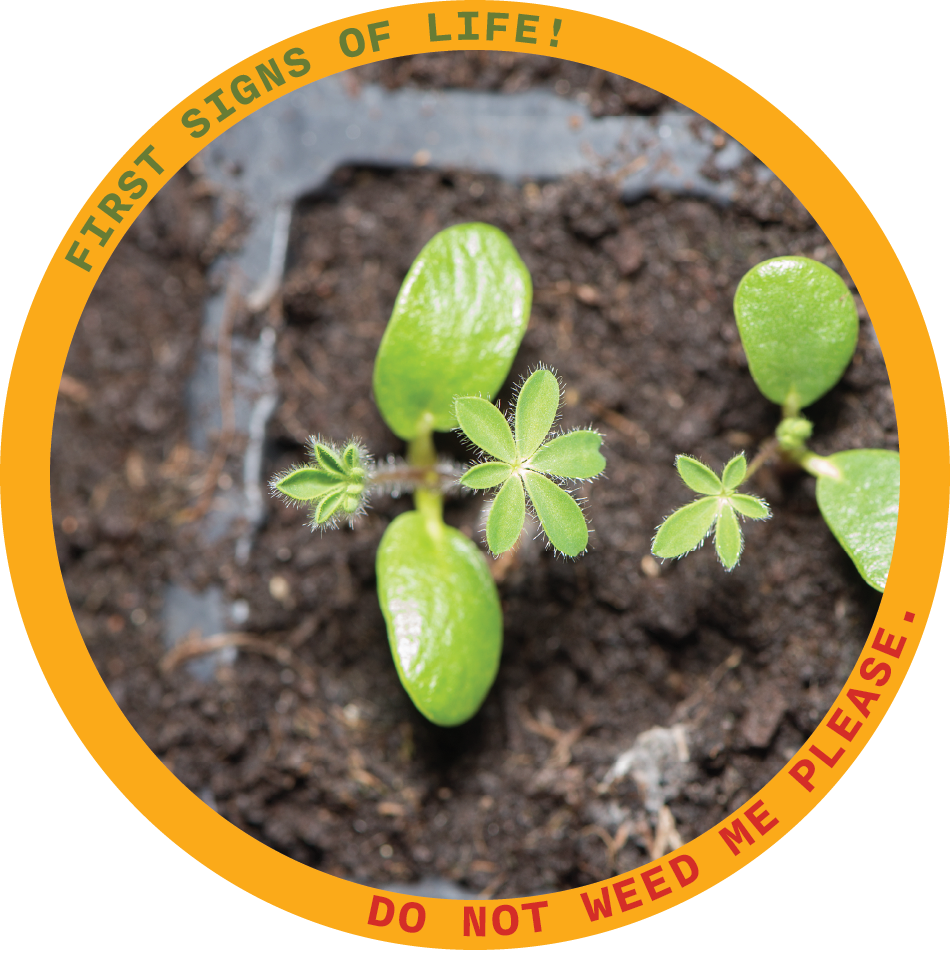
Arroyo Lupine
Lupinus succulentus
Very Easy
Annual
-
Vibrant towers of purple flowers top stems up to 4 feet tall with dark green leaves growing larger toward the bottom.
-
Lupine seeds generally benefit from scarification or hot water soaking before planting, though this is optional. The seeds should be buried shallowly in a slightly more dense/slow-draining soil. These lupines tolerate soil moisture best among California-native species and will enjoy supplemental water, though they will accept drier conditions as well.
-
After flowering, each flower may make a pod containing 6-9 seeds. (Note: The seeds are not edible!) When dry, the pods will split and launch most viable seeds away from the plant. Collection may be done with remnant seeds or when the pods feel dry to the touch or show signs of splitting. Seeds store well.
-
Widespread in California and slightly beyond. It is often found in flat areas such as dry washes and disturbed areas such as roads.
-
Calscape
Intermediate
Jepson Herbarium
Advanced
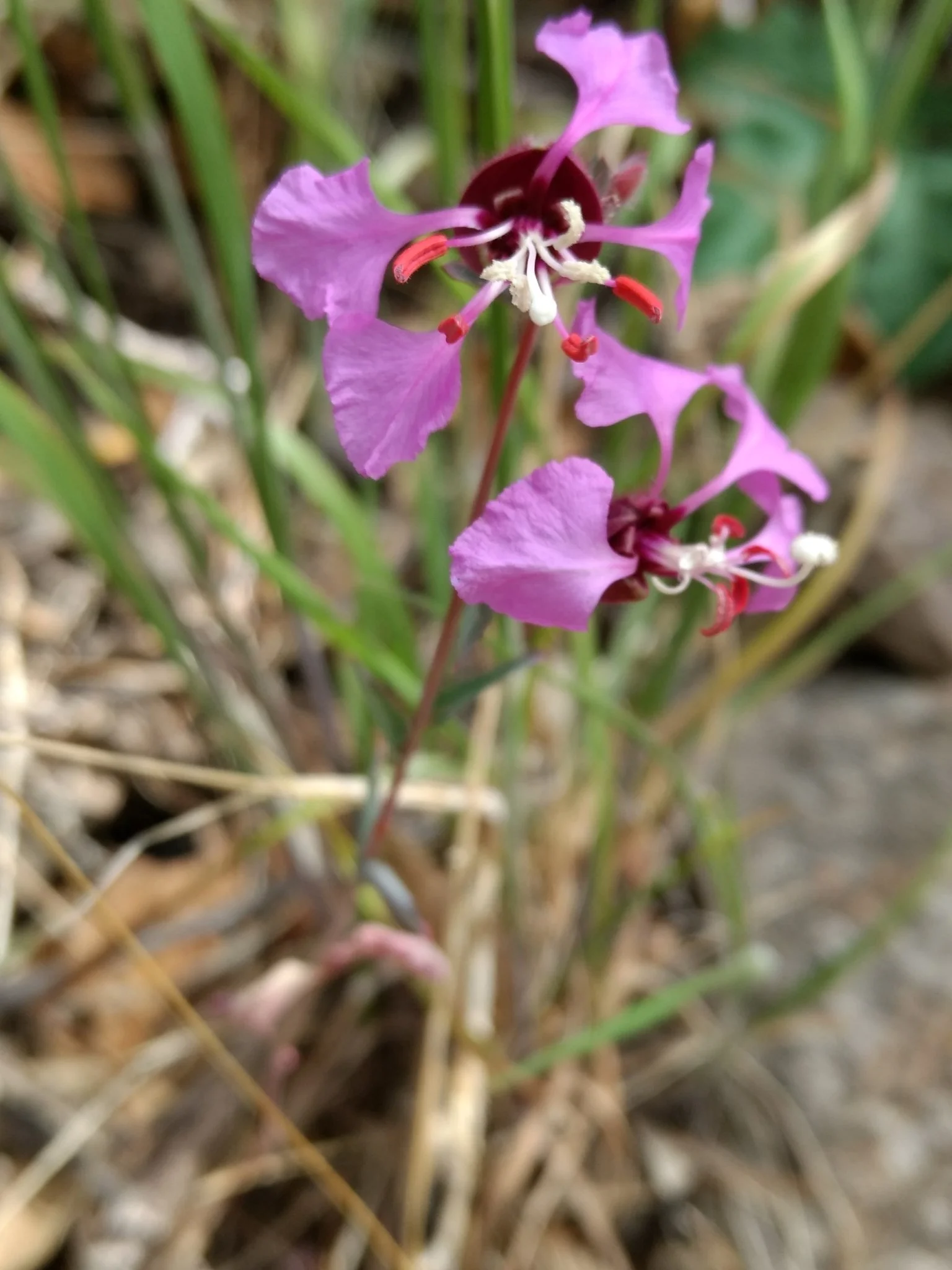
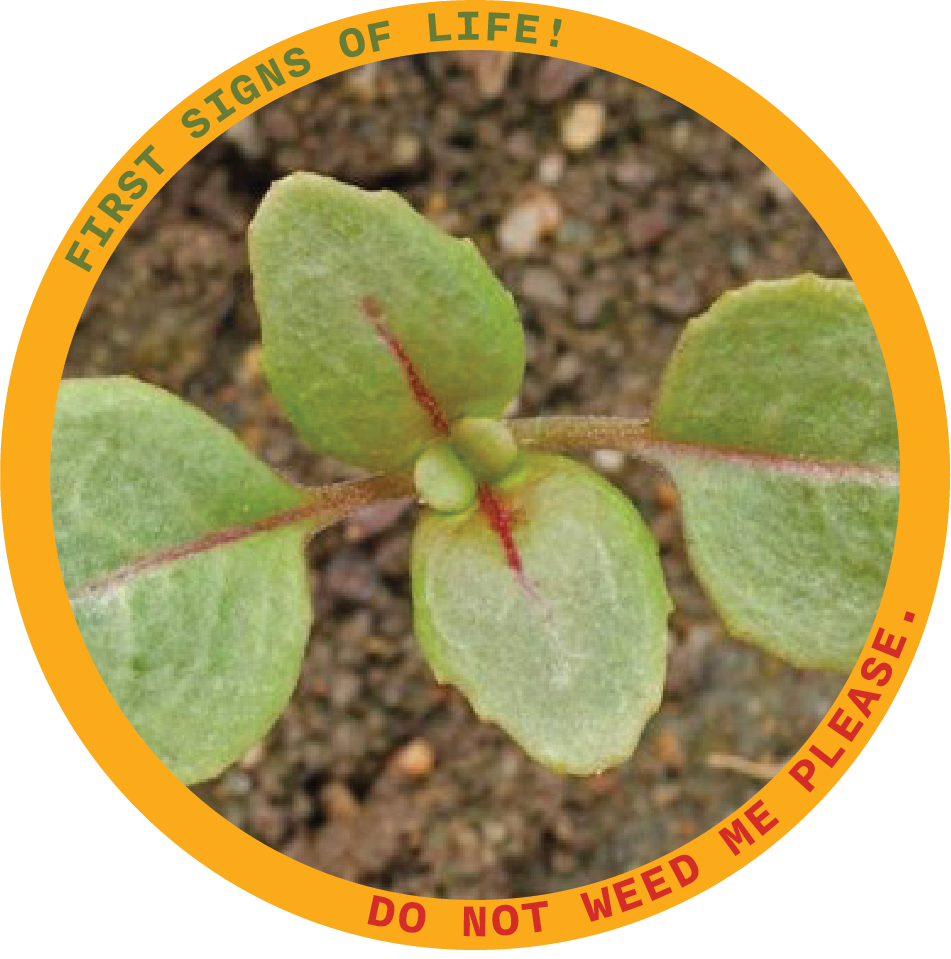
Elegant Clarkia
Clarkia unguiculata
Extremely Easy
Annual
-
Strings of windmill-shaped pink, burgundy, or purple blooms appear in summer on dainty leafed stems up to 3 feet tall. Unusual and charming flower structures and colors draw in abundant pollinators. These are especially nice as they bloom when many other plants are beginning to senesce or go dormant.
-
Surface scatter the tiny seeds in almost any soil from slow to fast-draining (avoid sodden conditions.) These plants prefer some shade during the hottest part of the day but are adaptable to dim and bright conditions. Their natural growing conditions often are kept moist from condensation and coastal fog so they benefit from frequent but very light watering.
-
Sequentially-blooming flowers will create long capsules which split when dry, flinging seeds all over. Already-split capsules usually still contain seed, but it is best to collect when you see the first signs of splitting. These seeds can be stored many years but will likely reseed very well on their own.
-
Naturally restricted to California, it occurs primarily in the coastal ranges and Sierra Nevadas where it grows in a variety of usually sheltered conditions.
-
Calscape
Intermediate
Jepson Herbarium
Advanced
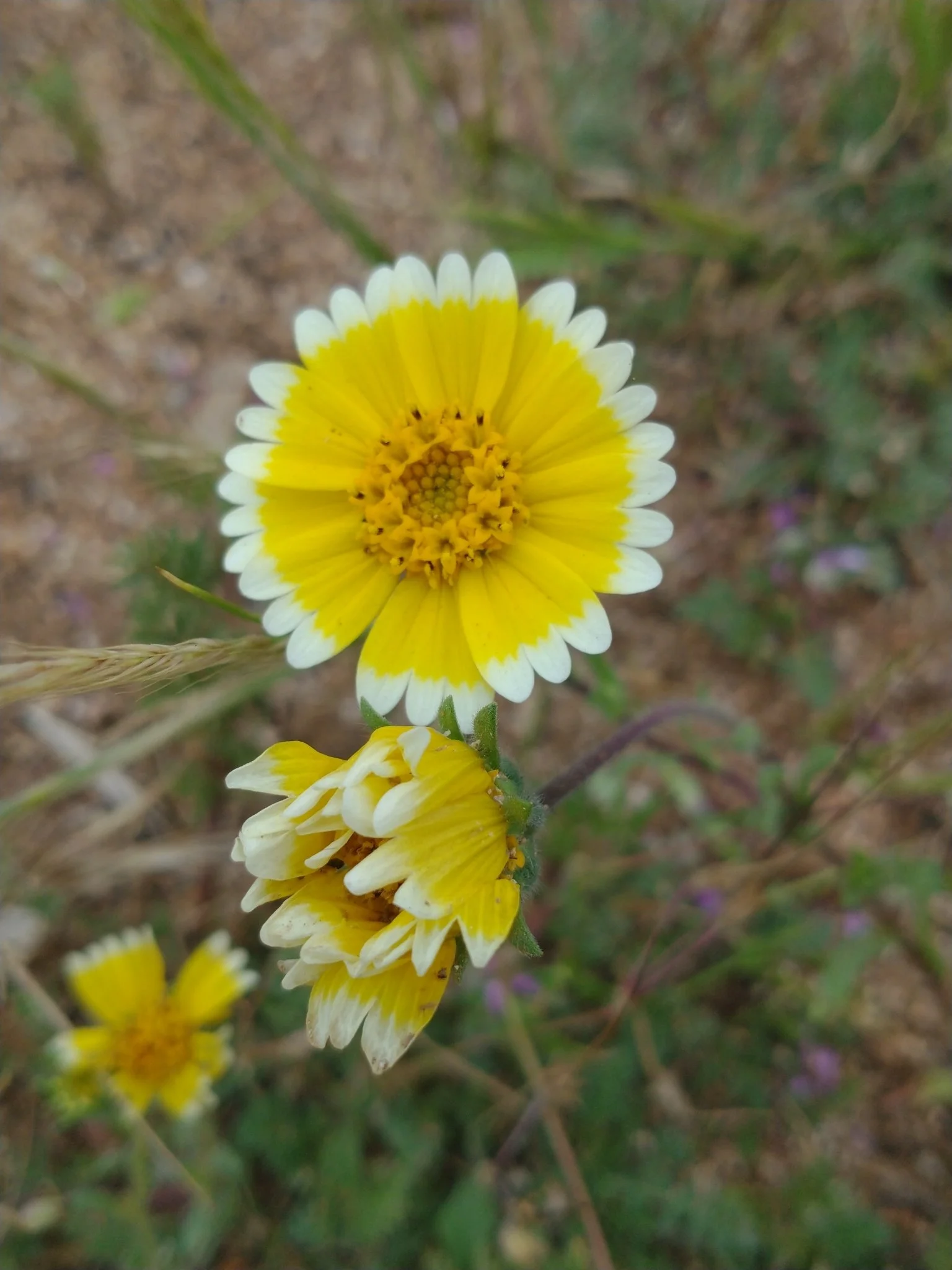
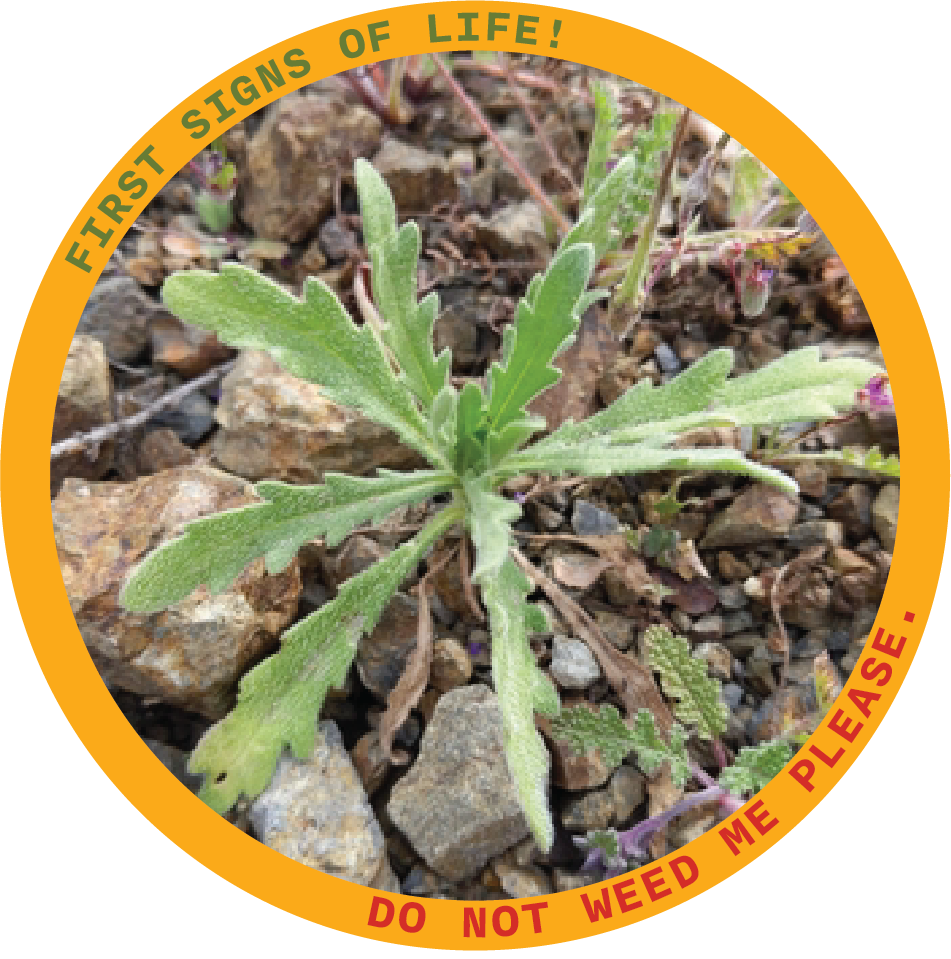
Tidy Tips
Layia platyglossa
Very Easy
Annual
-
Striking yellow and white daisy flowers borne on approximately 12 inch stems. Especially lovely in dense plantings and mixed with other annual wildflowers.
Photo Credits:
© Jacob Skaggs
© Craig -
Sow on surface or very slightly buried in most soils from slow to fast-draining (avoid sodden conditions.) Thrives in bright conditions but can still perform in partial shade. Enjoys (but does not need) light supplemental water while in growth. After blooming completes in May-June, the plant will naturally senesce.
-
After blooming, each flower will produce a clumped head of small seeds with tufts to spread on the breeze. Seeds may be collected at any point after the seed clump starts to spread open. They do not store well so best to plant immediately or next fall.
-
Widespread throughout California’s coastal ranges in a variety of dry Foothills and plains habitats.
-
Calscape
Intermediate
Jepson Herbarium
Advanced
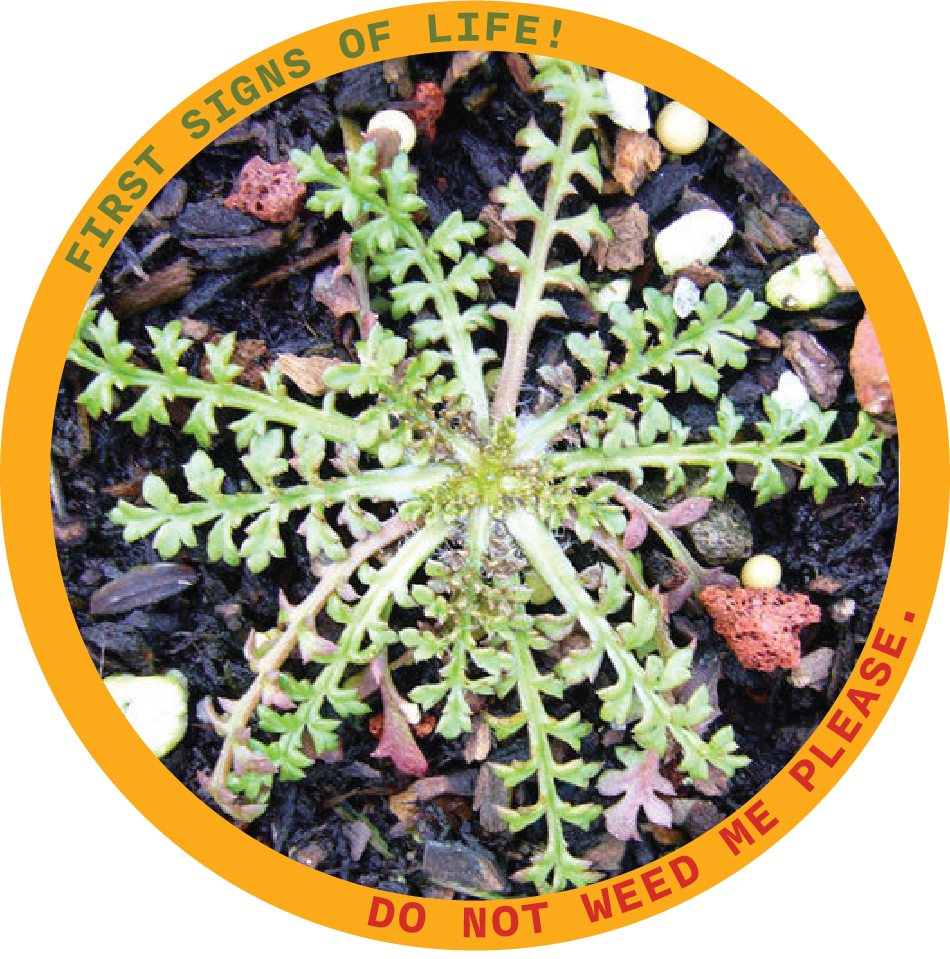
-
A very rewarding blue-purple spring wildflower with a very long blooming period. Globes of dense, compact flowers arise on the ends of leafy stems up to 3 feet tall and continue appearing for many months. After blooming for most of spring, the plant will naturally senesce when the hottest weather arrives.
Photo Credits:
© 2010 Zoya Akulova
© Craig -
Surface scatter or lightly bury in almost any soil from slow to fast-draining (avoid sodden conditions.) Thrives in high-light conditions, but performs well in bright shade and can be divided to prolong the blooming period. Grows fine without supplemental water in most non-desert habitats, but will accept supplemental watering well. Flowers will mature and produce seed sequentially and dry seed heads may be dead-headed for a tidier-looking plant.
-
After flowering, seeds mature quickly and will appear in dry capsules which split open. Both seeds and flowers develop side by side and seed collection may be continuously performed. Seeds should retain viability when stored for a few years, but planting the next season will produce the best results.
-
Widespread in California and beyond, ranging from Alaska to Mexico. Grows in a variety of places, but primarily those with sandy/rocky soils which often means foothills.
-
Calscape
Intermediate
Jepson Herbarium
Advanced
Bluehead Gilia
Gilia capitata
Very Easy
Annual
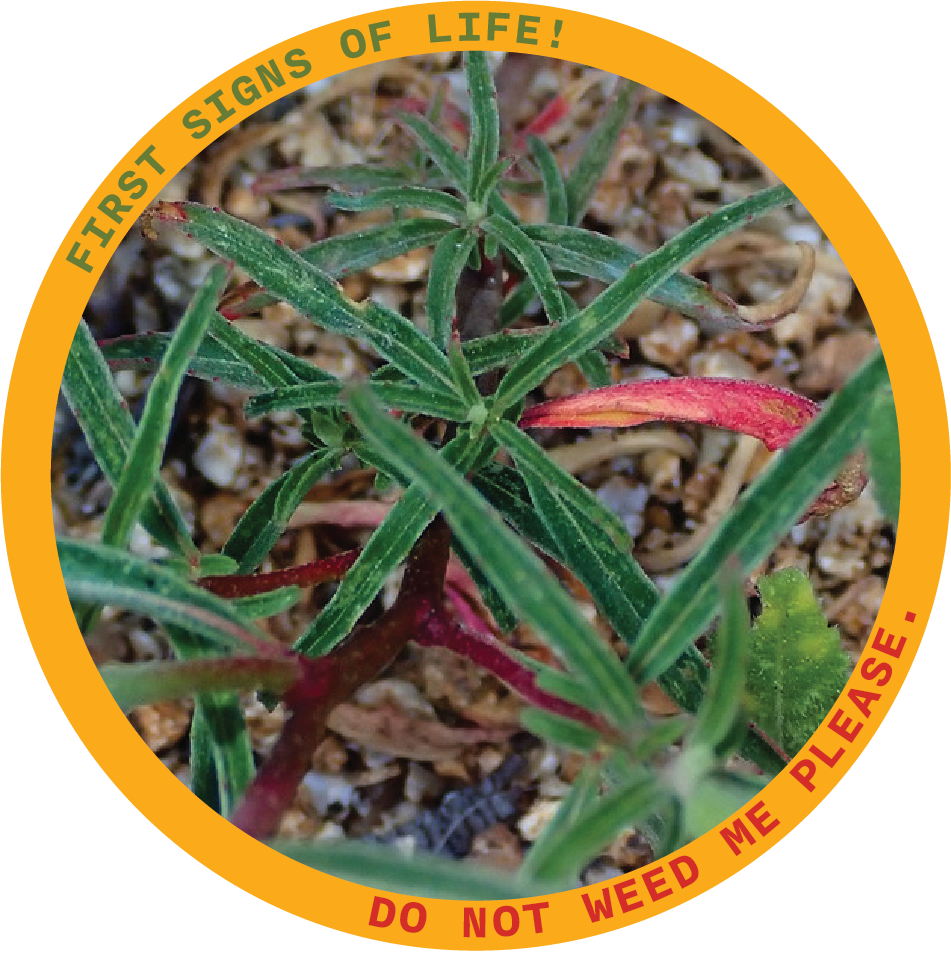

Punch Bowl Godetia
Clarkia bottae
Extremely Easy
Annual
-
Strings of windmill-shaped pink to purple and freckled blooms appear on dainty leafed stems up to 3 feet tall. Unique and charming flower structures and colors draw in abundant pollinators.
Photo Credits:
© Kat Halsey
© Craig -
Surface scatter the tiny seeds in almost any soil from slow to fast-draining (avoid sodden conditions.) These plants prefer some shade during the hottest part of the day but are adaptable to dim and bright conditions. Their natural growing conditions often are kept moist from condensation and coastal fog so they benefit from frequent but very light watering.
-
Sequentially-blooming flowers will create long capsules which split when dry, flinging seeds all over. Already-split capsules usually still contain seed, but it is best to collect when you see the first signs of splitting. These seeds can be stored many years but will likely reseed very well on their own.
-
Localized to coastal southern California, they can be found often in rocky foothills habitats where the terrain and tree canopies provide some shade.
-
Calscape
Intermediate
Jepson Herbarium
Advanced
Supporting native ecosystems does not have to be difficult!
The best thing about planting natives is that they have evolved to thrive in the local environment with or without human intervention. This is why native plants are ideal for drought tolerant landscapes, especially in Southern California where we have cyclical dry and wet years.
How to Grow
General Instructions
-
Most California native seeds are best sown in fall or winter before the seasonal rains.
Plants will flower during the spring and die back in the summer. At that point the top growth can be cut back for maintenance.
However, with plants with thick, woody stems, it is encouraged to keep some stalks standing year-round as native bees like to nest in them.
Seeds from these plants will naturally disperse, allowing the cycle to continue.
-
Sow seeds in a sunny space with plenty of space so that they aren't competing with other plants such as grass or weeds.
-
No need for special fertilizers!
Native plants are adapted to the local soil conditions and therefore, do not need any special amendments.
Just sprinkle the seeds over bare dirt or mulch, and they will germinate after the natural seasonal rains.
-
California natives don’t need supplemental water (unless it is a dry winter).
Normally, the winter rains are enough to kick off their life-cycle.|
If supplemental water is needed, avoid watering excessively during hot days where plants are more prone to root rot.